Madeira’s famous slogan — “the island of eternal spring” — is more honest than most marketing. Funchal’s average daytime temperature never drops below 19°C nor climbs above 27°C. But eternal spring does not mean identical months. The difference between a drizzly February in the mountains and a golden October swim is real, and choosing well changes the trip.
Two rules explain almost everything. First, the south coast is a sun trap: the central ridge blocks the trade-wind clouds, so Funchal, Calheta and Ponta do Sol can sit in sunshine while the north wears grey. Second, the ocean peaks late: the Atlantic is warmest in September–October (23–24°C), not July.
At a glance
- Air temperature (Funchal): 19–20°C Jan–Feb → 26–27°C Aug–Sep; nights 14–21°C.
- Sea temperature: 18°C in late winter → 23–24°C Sep–Oct.
- Rainfall: heaviest Nov–Feb (8–10 rainy days/month), almost none Jun–Sep.
- Crowds peak: Christmas–New Year, Easter week, August.
- Price low point: late Jan–Feb and early Nov; high point: New Year, August, Flower Festival.
January and February — the quiet escape
Daytime 19–20°C on the coast, nights around 14°C, sea at 18–19°C. This is the wettest window — roughly 8–10 days with some rain per month — but showers arrive in bursts, and the south still sees long clear stretches. Inland, waterfalls run at full power and the laurel forest is at its greenest.
Crowds are thin, prices are the year’s lowest outside festival weekends, and restaurants take walk-ins. Carnival lands in February: smaller than Rio or Tenerife, but genuinely fun — a week of parades and samba-school nights in Funchal.
Winter is also whale-and-dolphin season at its most varied — the resident bottlenose dolphins are joined by migrating species, and the catamarans still sail most days, just emptier. Levada walking is excellent between fronts: the laurel forest drinks the rain and turns impossibly green, though the highest trails can close temporarily after storms or snow flurries above 1,600m.
March and April — spring arrives
Daytime 20–22°C, rain falling away, jacarandas and agapanthus starting to bloom. March can still throw a wet week; by late April the island has usually settled into its dry pattern. Easter week is a price spike — book early or avoid it.
The famous Flower Festival usually runs late April into May: carpets of petals on Avenida Arriaga, the children’s “Wall of Hope” and flower floats. It is the prettiest fortnight of the year and the busiest of the spring — hotels in Funchal sell out.
May and June — the sweet spot begins
Daytime 22–24°C, minimal rain, sea climbing through 20–21°C. June mornings sometimes bring a light cloud the locals call *capacete* (“the helmet”) that burns off by noon. The Atlantic Festival runs Saturday nights through June — international fireworks competitions over the bay, free to watch from the promenade.
This is arguably the best time to visit Madeira for a first trip: everything is open, levadas are clear, and prices still sit below summer. A cliffside stay like Estalagem da Ponta do Sol or a garden quinta like Quinta da Serra costs noticeably less than in August.
July and August — peak season
Daytime 25–27°C, nights 20–21°C, sea 22–23°C. The driest, hottest, most reliable weather — and the island at its busiest. Funchal hums rather than overflows (Madeira never reaches Algarve-level crowds), but levada car parks fill by 9am and the best restaurants need booking a week out.
Prices peak. If you come now, stay in the southwest — Saccharum or a Calheta apartment — and swim daily at Calheta Beach. August also brings the grape harvest in the north and the Festa de Nossa Senhora do Monte on the 15th, the island’s biggest religious festival. One warning for walkers: midsummer is when the north-facing levadas are busiest; start at first light or pick the quieter trails — Levada do Rei stays calm even in August.
September and October — our favourite
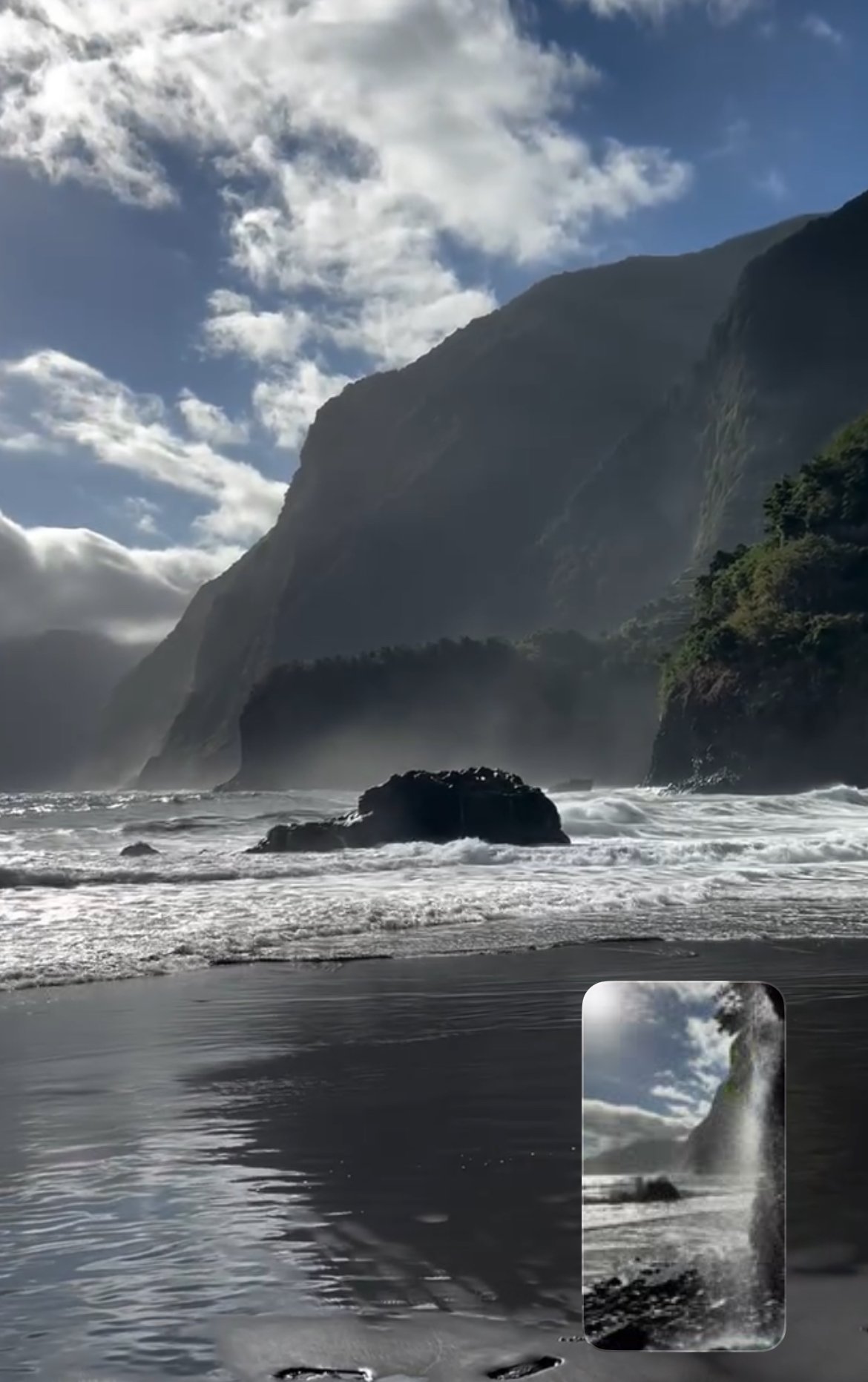
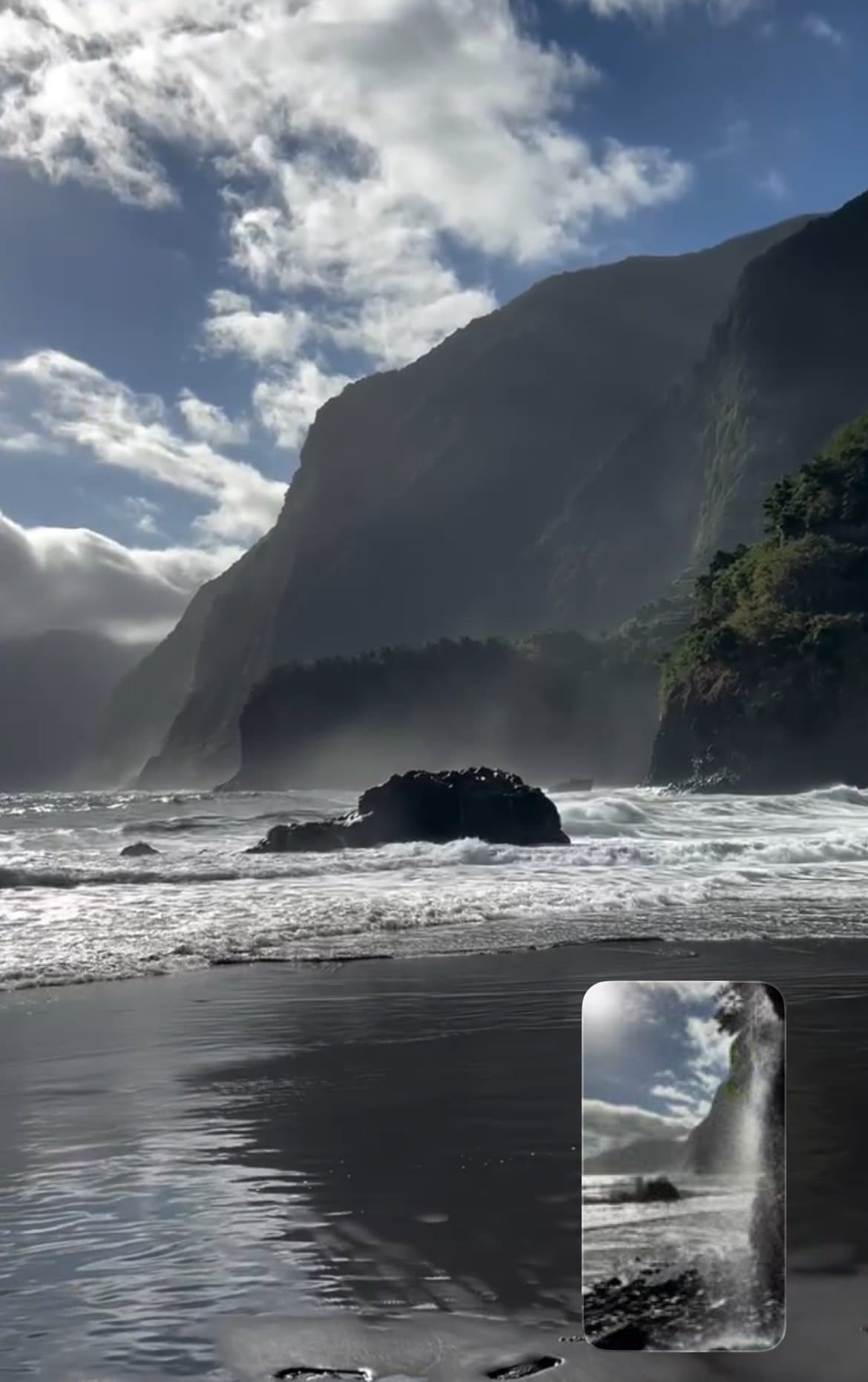
If we could only choose two months, these are them. The sea hits its annual maximum — 23–24°C — while the air eases back to a perfect 24–26°C. The first Atlantic swells reach the north coast, meaning glassy swimming pools one day at Porto Moniz and wave-watching the next at Seixal.
September’s Wine Harvest Festival fills Câmara de Lobos with treading grapes and tastings; October brings the Nature Festival with free and cheap outdoor activities on the trails. Crowds drop after the second week of September, prices follow, and the light turns honey-coloured. This is quiet luxury season.
Practically, autumn is also the easiest season to plan: no advance bookings wars, no queues at the trailheads, and hotel upgrades that appear without asking. If your dates are flexible, this is when the island gives the most for the least — book a cliffside room at Aqua Natura Bay in Porto Moniz and watch October storms roll in from the safety of a heated seawater pool.
November and December — two different months
Early November is the last bargain window — 22°C days, warmish sea, empty trails, and restaurants that greet you like a returning regular. From late November the festive season begins: Funchal switches on a million Christmas lights on 1 December, chestnut roasters appear on the corners, and the city stays lit until mid-January — a genuinely pretty spectacle worth one winter trip on its own.
New Year’s Eve deserves its own paragraph: Madeira’s fireworks over Funchal bay once held the Guinness record for the world’s largest display, and hotels, restaurants and catamaran viewing spots sell out months ahead. It is the single most expensive week of the year — and, honestly, worth it once. If you go, book by September and stay in the city; watching the bay ignite from a hillside balcony beats any viewpoint scramble.
Microclimates and packing
The island’s verticality means you can choose your weather daily. When cloud sits on the mountains at 600 metres, the coast is usually clear; when the north is grey, drive 15 minutes through a tunnel to the south. In winter, pack a light waterproof and a fleece for altitude — Pico do Arieiro can be 12°C below Funchal — plus swimwear regardless of month. In summer, add sun protection; the UV index is subtropical even when the breeze feels cool.
Festival calendar worth planning around
- New Year’s Eve — the legendary bay fireworks; the year’s most expensive week.
- Carnival (Feb) — a week of parades; smaller than Tenerife’s but heartfelt.
- Flower Festival (late Apr–May) — petal carpets, floats, the Wall of Hope.
- Atlantic Festival (June Saturdays) — free international fireworks over the bay.
- Wine Harvest Festival (early Sep) — grape treading in Câmara de Lobos.
- Nature Festival (Oct) — guided outdoor events island-wide, many free.
- Christmas lights — 1 Dec to mid-Jan; Funchal becomes a garden of light.
For swimmers, walkers and photographers
Swimmers should weight September–October, when the sea is at its annual warmest and the mornings are stillest — the natural pools at Porto Moniz and the black sand at Seixal are at their best. Walkers get the ideal window April–June: flowers on the verges, waterfalls full, paths dry underfoot, and cool enough air for climbs. Photographers — come in October or February: the light sits low, the trade clouds dramatise the peaks, and the crowds that photobomb Pico do Arieiro in August are gone.
What if it rains?
Rain on Madeira is usually a half-day problem, not a holiday problem. The tunnel network means the dry side is never more than 20 minutes away — if Funchal is grey, try Calheta; if the whole island is wet (rare), the São Vicente caves, the Madeira wine lodges’ tastings, the CR7 museum for football fans and a long lunch will fill the gap. The one real rain rule: don’t walk exposed levadas or the Pico Ruivo ridge during or right after heavy rain — rockfall and flash water are genuine hazards, and trails close.
The verdict
- Best overall: September–October — warmest sea, soft light, low crowds.
- Best value: May–June and early November — near-summer weather at spring prices.
- Best for swimming: August–October (sea 22–24°C); the Lido and Porto Moniz pools extend the season.
- Best for hiking: April–June — green, cool, waterfalls full.
- Best for quiet luxury: October — warm water, empty trails, soft prices.
- Best for festivals: New Year, Carnival (Feb), Flower Festival (Apr–May).
- Avoid if crowd-shy: Christmas fortnight, Easter week, mid-August.
Whenever you come, pick your base with the where-to-stay guide — the right coast matters more than the month. And if you are planning a first week, our 7-day itinerary maps the island out day by day. The island rewards those who watch the forecast daily rather than the calendar: one clear day at altitude is worth three scheduled ones.