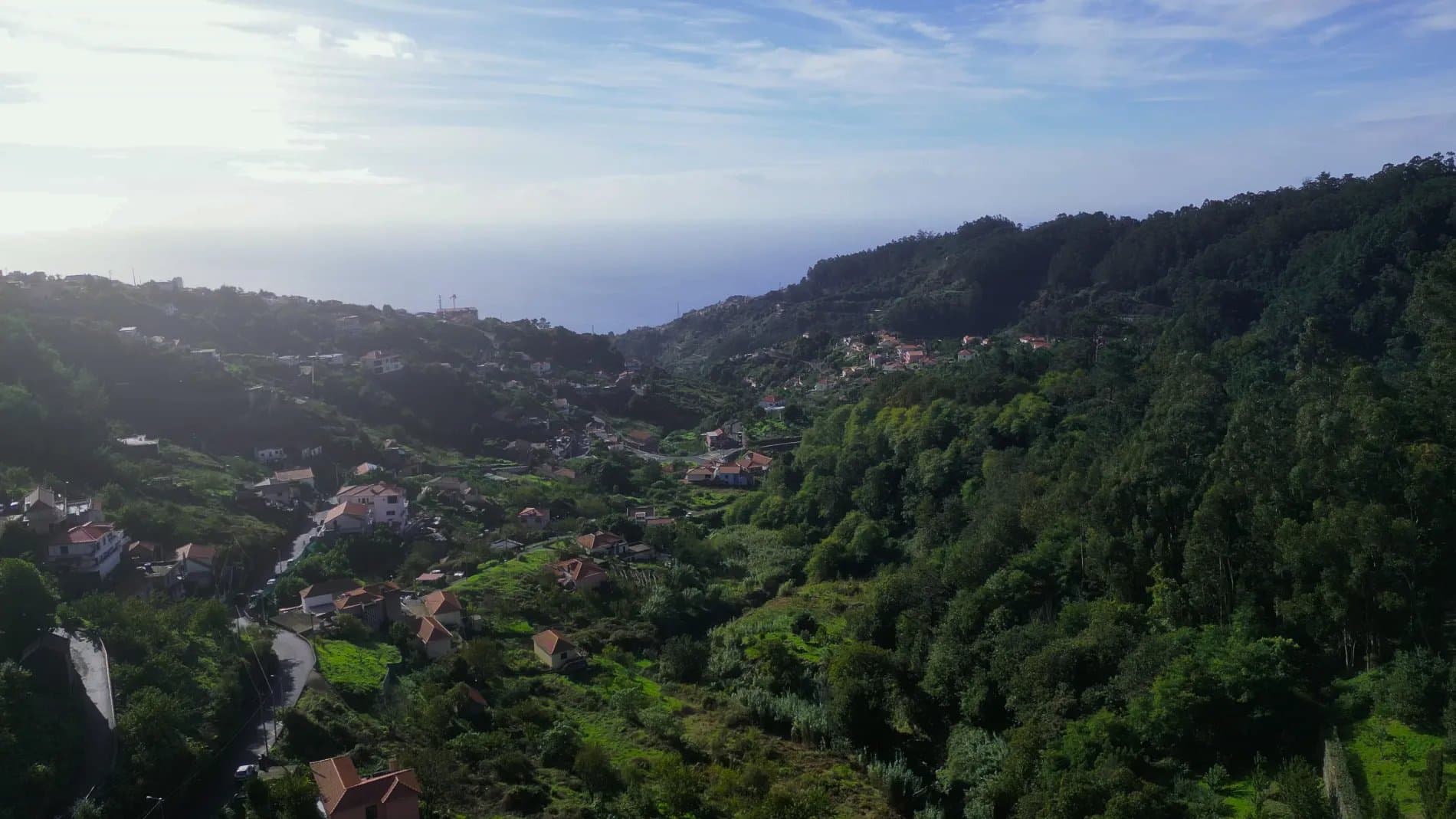
Madeira is 57 kilometres long, but it contains two islands: the soft, sunlit south and the dramatic, cloud-catching north. Where you sleep decides which Madeira you get. This is our honest, area-by-area guide — written from the island, not from a brochure.
Funchal — the easy, elegant base
Most visitors should start in Funchal. The capital holds the majority of the island’s hotels, restaurants and tour departures, and it is the one place where a car-free holiday genuinely works (see our guide to Madeira without a car).
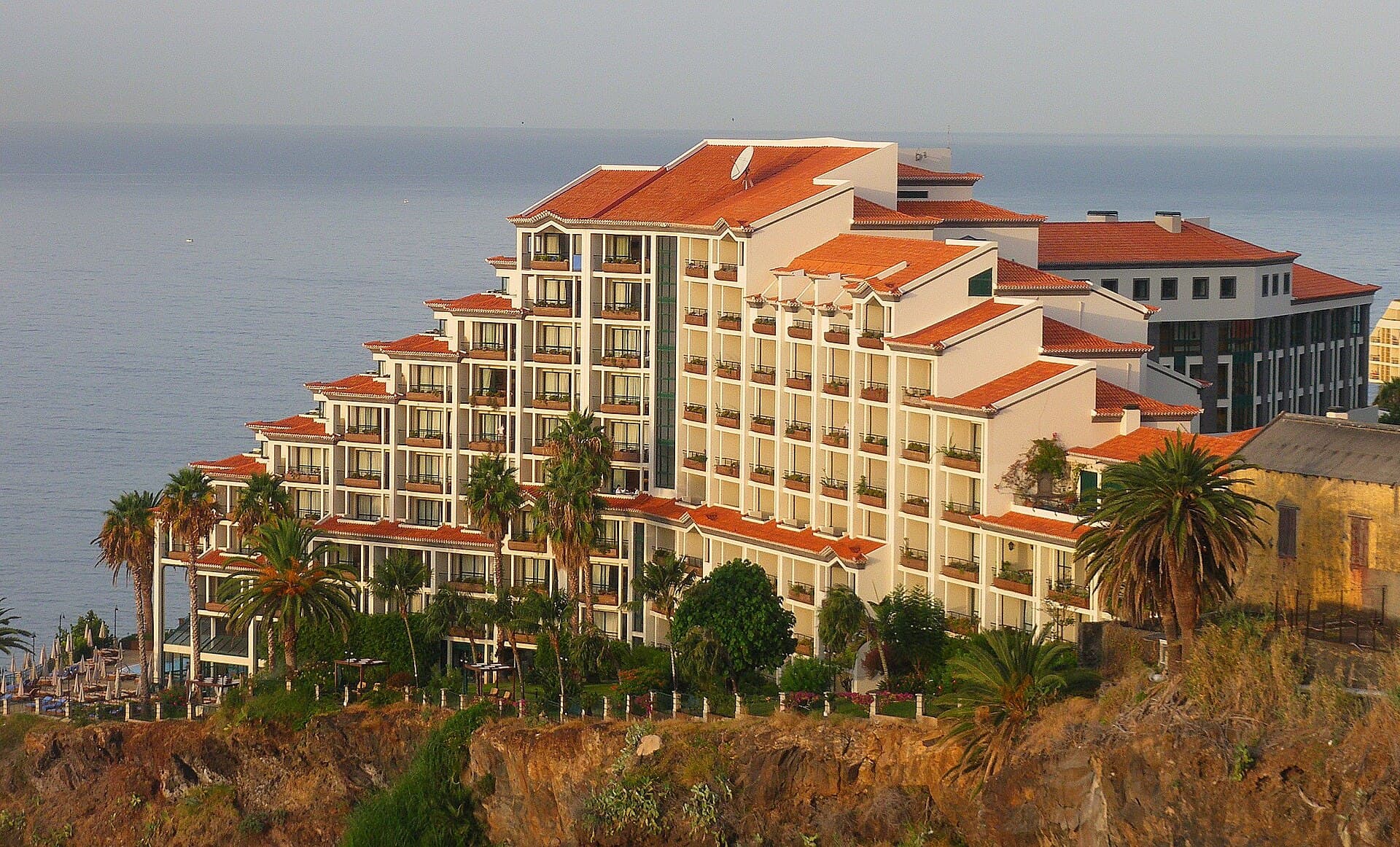
Within Funchal there are three distinct zones. The Lido is the classic hotel strip — a seafront promenade, bathing complexes like Lido Bathing Complex, and large properties such as The Cliff Bay, Royal Savoy and Pestana Carlton Madeira. Expect €150–€400 a night for the five-star line, less in shoulder season. The Old Town (Zona Velha) is more characterful: painted doors, candle-lit restaurants and boutique stays like Castanheiro Boutique Hotel. São Pedro and the centre put you near the market and the marina — Hotel Orquídea and Barceló Funchal Oldtown are solid mid-range picks at roughly €90–€160.
The trade-off: Funchal is a city. It is a gentle, safe, garden-filled city — but if your dream is silence broken only by the ocean, read on.
Just outside Funchal
Two suburbs deserve a mention. Caniço de Baixo, ten minutes east along the coast, is a quiet hotel enclave on a clifftop above a marine reserve — Oasis Caniço, Galomar (adults-only) and Hotel Riu Madeira offer resort comfort with snorkelling straight off the rocks, at prices usually 20–30% below equivalent Funchal five-stars. And Câmara de Lobos, the working fishing town west of the city, is where Pestana Churchill Bay puts you above a real harbour with painted boats — characterful, and only 15 minutes by bus from the centre.
Calheta and Ponta do Sol — for guaranteed sun
The southwest is Madeira’s sun belt. Calheta Beach is one of the island’s few golden sand beaches (imported from Morocco), backed by a small marina and a handful of restaurants. Savoy Palace aside, the headline property here is Saccharum Resort & Spa, built around a converted sugar mill — design-led, calm, with one of the better hotel spas on the island.
Ten minutes east, Ponta do Sol claims the title of the island’s sunniest point. Estalagem da Ponta do Sol — a minimalist boutique hotel on a cliff above the village — is quietly one of the best places to stay in Madeira for couples. The village also hosts the Digital Nomads Madeira project: a free coworking space in the cultural centre, weekly meetups and a genuinely friendly community. If you work remotely, this is your village.
The north coast — for the wild at heart
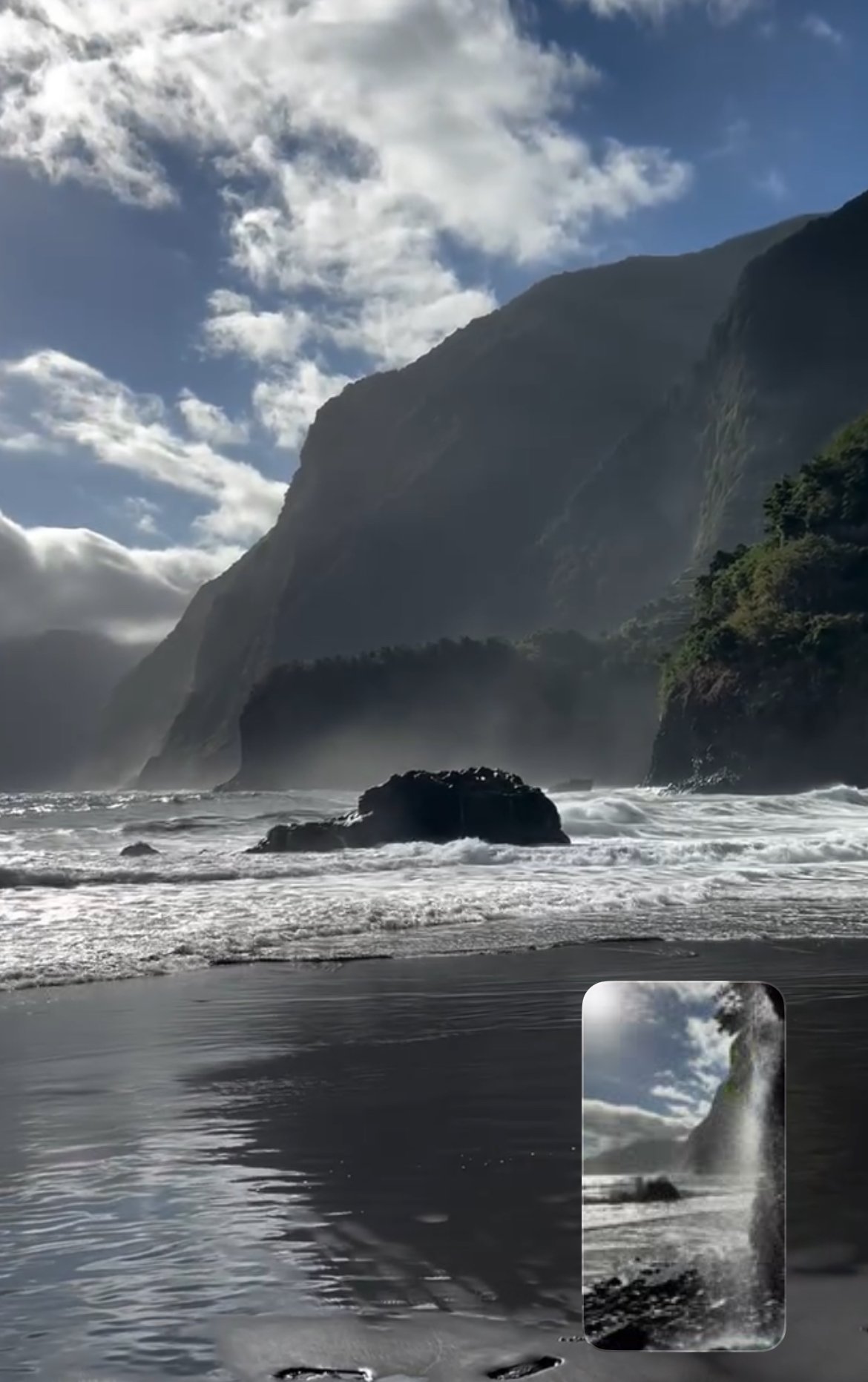
North of the central ridge the island turns green, vertical and theatrical. Waterfalls fall onto the old coastal road; black-sand bays sit under 600-metre cliffs. Stay here if you want drama over convenience.
São Vicente is a valley village with caves and the island’s best small-hotel feel; Seixal has the famous black sand of Seixal Beach; Porto Moniz is home to the natural lava pools and Aqua Natura Bay, the best-placed hotel on this coast. On the northeast, Quinta do Furão perches on a cliff outside Santana with a working vineyard and one of the island’s great breakfast views.
The honest caveat: the north gets more rain and more cloud, roughly November to February. In exchange you get Madeira at its most cinematic — and empty.
The mountains — quintas and silence
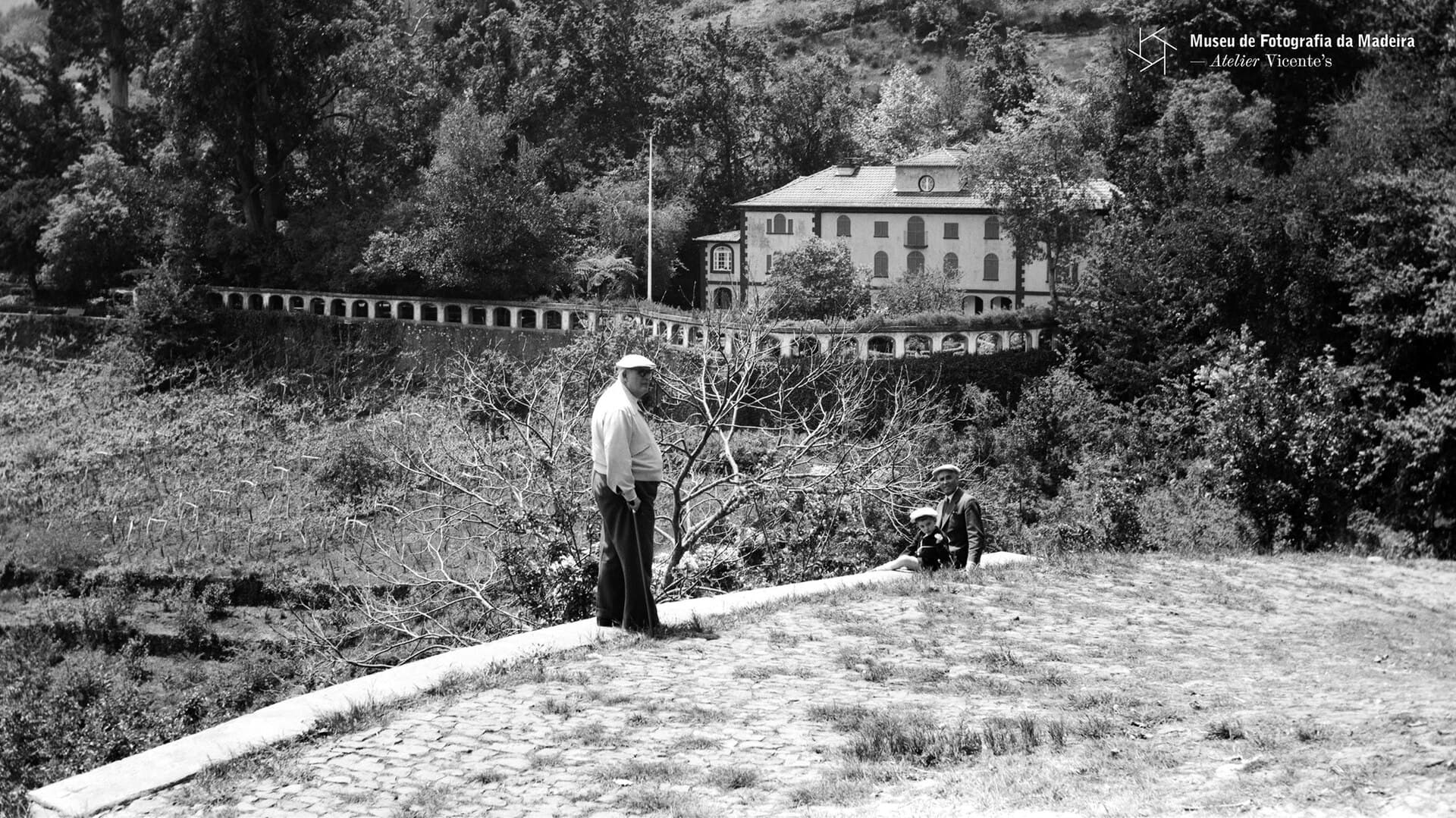
Madeira’s oldest luxury is the quinta: an estate house in subtropical gardens, often 400–600 metres up, above the coastal bustle. Quinta da Casa Branca hides a modern design hotel in a botanical garden minutes from Funchal. Higher still, Quinta da Serra is a bio-certified estate above Câmara de Lobos — the closest thing the island has to a forest sanctuary, with eucalyptus gardens and a long pool looking down at the Atlantic. In the east, Eira do Serrado sits at nearly 1,100 metres facing the Nuns’ Valley — for walkers who want to wake up inside the mountains.
This is quiet luxury in the literal sense: no beach club, no DJ — birdsong, hydrangeas and a log fire in winter. Mountain stays work best combined with a few nights on the coast.
If classic grandeur is the goal, it lives in Funchal’s hills: [Reid’s Palace](/p/reids-palace-belmond), the 1891 grande dame where Churchill stayed, sits on a promontory in ten acres of gardens — afternoon tea on its terrace (open to non-guests, ~€45) is the cheapest way to borrow its world for an afternoon. Savoy Palace, a few streets away, is the modern counterpoint — a vast design hotel with the city’s best rooftop pool and a Laurea spa.
The east — practical and underrated
Machico and Caniçal, fifteen minutes from the airport, offer the island’s driest climate, Machico Beach and lower prices — self-catering apartments like Apartamentos do Mar and Penthouse on the Beach make this the smart pick for longer stays and budget-conscious families. Pestana Churchill Bay in Câmara de Lobos is the most charming small hotel between Funchal and Calheta.
The two-base strategy
If you have a week or more, split it. The classic pairings: four nights Funchal + three nights north (São Vicente or Quinta do Furão) for first-timers who want both comfort and wild; four nights Funchal + three in the mountains (a quinta) for readers and walkers; or Funchal + Ponta do Sol for those who want maximum sun with minimum packing. Moving once mid-trip halves your daily drive times — the island is small, but the tunnels make the far coasts feel further than the map suggests.
Hotel, quinta or apartment?
Hotels on Madeira are generally better value than their Iberian peers — a five-star seafront room at €200–€280 in shoulder season would cost double in the Algarve. Breakfast buffets are a strength; half-board is rarely worth it given Funchal’s restaurants. Quintas trade amenities for atmosphere: fewer rooms, real gardens, staff who learn your name. Apartments — like Apartamentos do Mar or the beach penthouse in the east — suit families, longer stays and remote workers who want a kitchen and a washing machine; expect €70–€140 a night outside August.
Where we would not stay
Honest exclusions: anywhere advertising “sea view” in the steep streets far above Funchal’s centre (the view is real; so is the 25-minute climb home); the marina strip hotels trading on location rather than quality; and the far west beyond Ponta do Pargo, which is beautiful but adds 90 minutes to every outing. Also think twice about all-inclusive formulas — Enotel Lido executes it well, but Madeira’s restaurants are too good and too cheap to skip.
Quick answers by traveller
- Families: Lido zone, Funchal — pools, promenade, easy logistics. Enotel Lido and Pestana properties are built for this.
- Couples: a quinta or boutique cliff hotel — Estalagem da Ponta do Sol, Quinta da Casa Branca, or splurge on Reid’s Palace.
- Digital nomads: Ponta do Sol for community, Funchal for infrastructure. Fibre is standard; winter is 18–20°C.
- Walkers: split the week — Funchal or Ponta do Sol plus two nights near São Vicente or the mountains.
- No car: Funchal, full stop. Everything else requires wheels or tours.
- Special occasion: Reid’s Palace for history, Savoy Palace for modern scale, Il Gallo d’Oro dinner to finish.
What things actually cost
- Apartments / guesthouses: €70–€140 a night outside August.
- Four-star comfort (Lido strip, Old Town): €110–€200.
- Five-star seafront: €200–€350 in shoulder season, €350–€500+ at peak.
- Quintas and boutique hotels: €140–€300 — often the best value per atmosphere.
- Reid’s Palace and the top suites: €400–€900+; iconic, and priced accordingly.
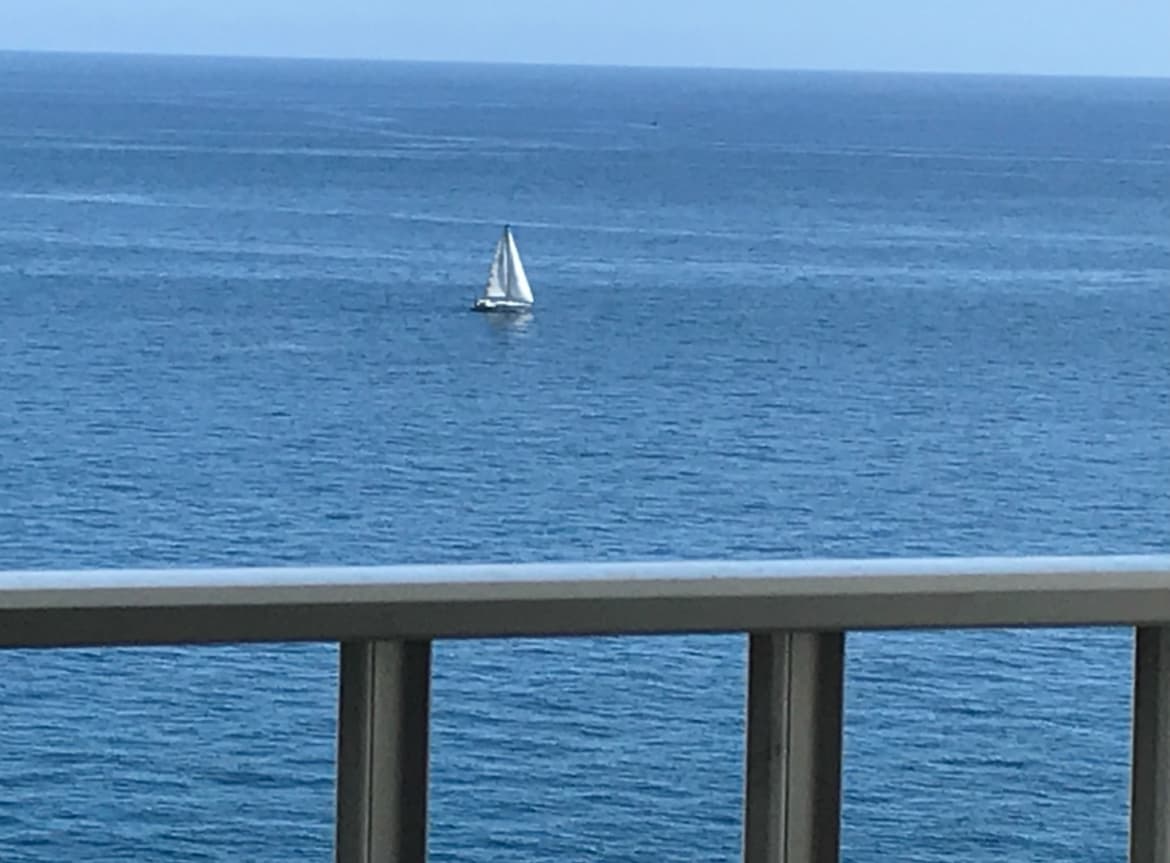
Whatever you book, request a sea view — on this island it usually means an amphitheatre of Atlantic rather than a sliver of blue between buildings. And if silence is the luxury you came for, check a map for the expressway before you pay: rooms facing the VE roads hum at night.
When to book
Prices swing hard with season — see the month-by-month guide. Book Christmas, New Year and August 4–6 months ahead. April–June and September–early November are the sweet spot: warm seas, thin crowds and rates 20–40% below peak. Then string the week together with our 7-day quiet luxury itinerary — and if a car isn’t in your plans, our car-free guide will point you back to Funchal, where the island’s best problem is choosing dinner.